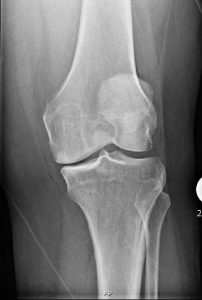
This involves injecting a fluid, like hyaluronic acid, into a joint to lubricate it and reduce pain and stiffness, often used for osteoarthritis. A healthy knee joint has up to four milliliters of joint fluid within the joint capsule. Hyaluronic acid (HA) gives the joint fluid its viscous, slippery quality. It acts like a shock absorber and lubricant in your knee joint and is needed to help the joint work properly, allowing the cartilage surfaces that coat your bones to glide on each other smoothly.
When cartilage wears off, such as in the case of osteoarthritis, more fluid is produced in an attempt to improve the gliding of the surfaces and also to diminish the inflammation. Joints affected by osteoarthritis typically have a lower concentration of hyaluronic acid in their joint fluid than healthy joints and therefore less protection against joint friction and impact. A gel injection may artificially supplement the joint fluid’s natural viscosity—this is known as viscosupplementation.
Patients who have not responded well to anti-inflammatory medications or corticosteroid injections may find HA injections a beneficial alternative. Dr. Jared Lee and his PA’s offer gel injections as part of a comprehensive joint preservation strategy, helping patients stay active and pain-free.